
Motorsport composite engineering
Carbon tooling, prepreg parts and structural repair for race programs
From a STEP file or a damaged part to a cured, trimmed and inspected component: CNC patterns and CTE-matched molds, autoclave and out-of-autoclave prepreg, aero packages and ultrasonic NDT repair, produced through specialist composite facilities in North America and the UK.
- 55–65% VfAutoclave prepreg fiber volume, <1% voids
- ±0.2 mmFARO arm / CMM first-article verification
- 1:30–1:50Scarf ratio on structural carbon repairs
- 10–14 daysRace-urgent expedite on small tooled parts
Core capabilities
Four disciplines, one engineering intake
Every RFQ starts with a DFM review of split lines, draft, ply book and cure route, then goes to the facility whose autoclave, CNC envelope and NDT kit fit the part.
Autoclave & OOA prepreg production
Data-logged 3–7 bar cure cycles, cleanroom kit-cutting and layup, out-of-autoclave oven cures where the part allows it.
55–65% Vf · <1% voids · 120–180 °C
Process guideCNC patterns & CTE-matched tooling
EB700 epoxy board patterns, high-temperature carbon prepreg tools, direct-machined aluminum, split molds with dowel alignment.
$2,000 – $70,000+ tooling packages
Tooling guideAero packages & bodywork shells
CFD-driven splitters, multi-element wings, tunnel diffusers, vented hoods and doors with bonded titanium or aluminum hardpoints.
Saves 2–63 kg per component
Aero & bodyworkUltrasonic NDT & crash repair
PAUT and C-scan delamination mapping, scarf grinding, core replacement, orientation-matched prepreg layup and post-repair NDT sign-off.
$150 NDT report – $15,000+ structural
NDT & repair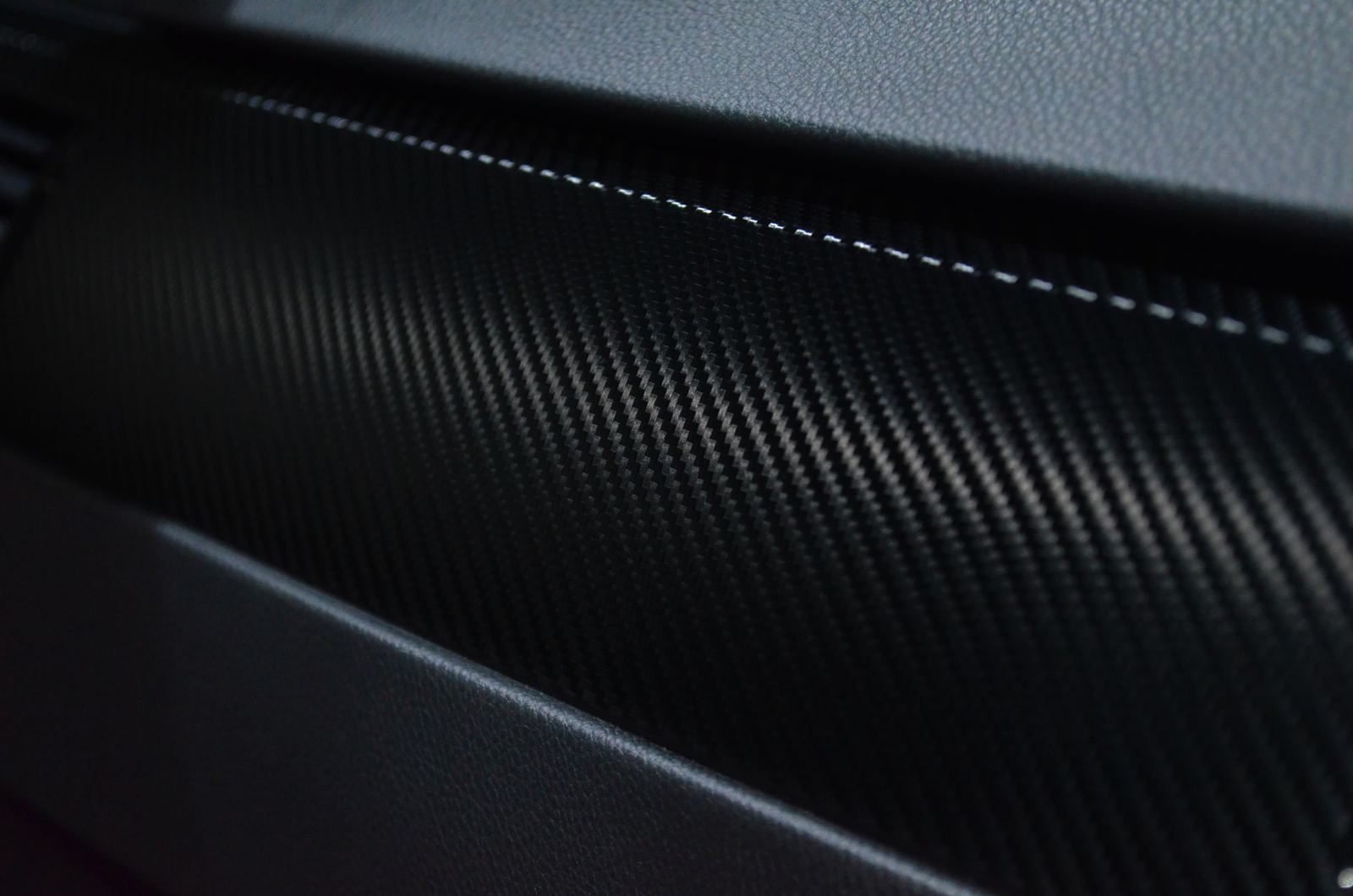
Pre-RFQ engineering estimators
Budget the part before you send the STEP file
Two open calculators built on published material rates, shop labor and autoclave cycle costs, with every formula on the methodology page. Send the result straight into an RFQ.
Estimator 01
Tooling & batch cost estimator
Pattern, mold and fixture NRE plus per-part cost for VARTM, OOA and autoclave prepreg, amortized across 1–50 units.
Estimator 02
Sandwich laminate weight & stiffness
Size T300, T700, T800 or M40J skins over Nomex, Rohacell or PVC cores: mass, flexural rigidity and deflection under aero load.
Production & quality pipeline
From CAD to an inspected race part
CAD & DFM review
Split lines, draft angles, ply-book and insert locations checked before any tooling is cut.
5-axis CNC pattern & tooling
EB700 board or aluminum machined, sealed and released; carbon tools laid up and post-cured.
Cleanroom kit-cut & layup
Nested ply kits, core staging and vacuum bagging under controlled temperature and humidity.
Autoclave cure & data logging
Pressure, temperature and vacuum logged per cycle; prepreg out-life tracked from freezer to cure.
Trim, metrology & NDT
5-axis CNC trim, bonded hardpoints, FARO / CMM first article and ultrasonic inspection where specified.
Motorsport sectors
Built for the rulebook you race under
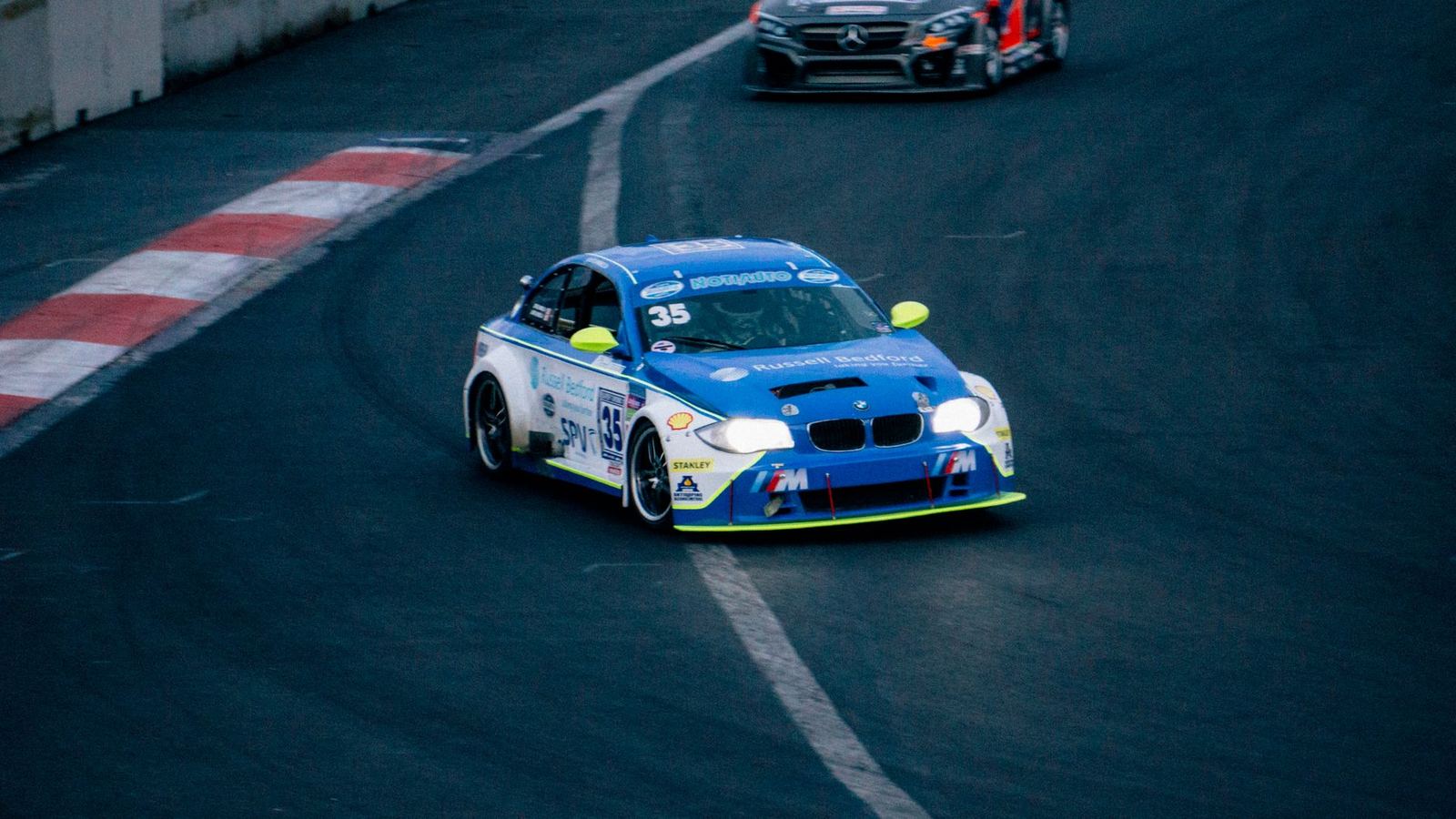
GT3 / GT4 & endurance
Homologated bodywork spares, BoP-legal aero, quick-change panels for pit stops.
Kerb impact · heat soak
Time attack & hillclimb
Open-rule splitters, big-chord wings and diffusers where downforce per kilogram decides.
Aero load · flutter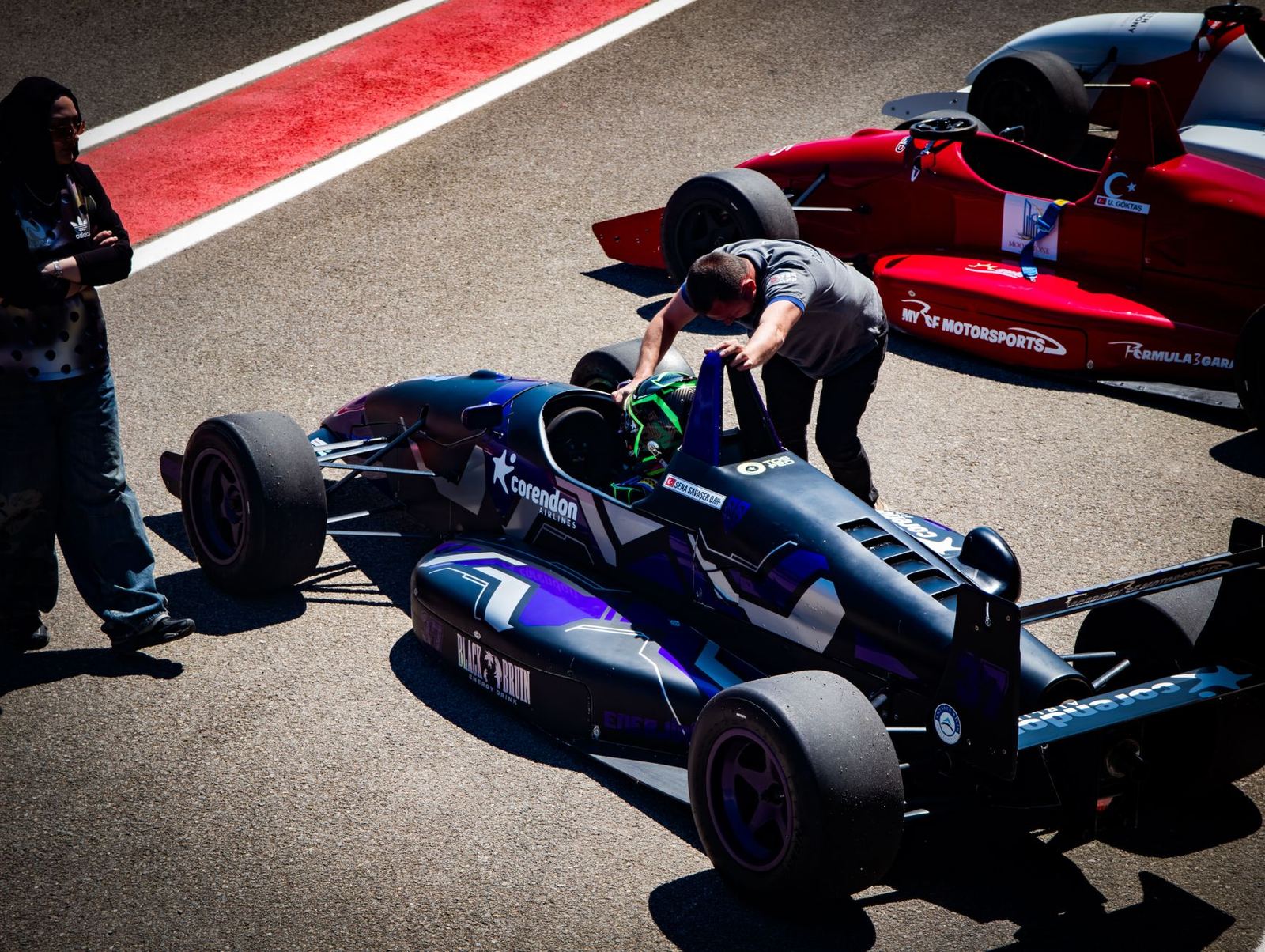
Open-wheel, formula & FSAE
Nose cones, wing elements, bodywork and student monocoque support.
Impact attenuators · stiffness
Rally & off-road
Carbon-Kevlar underbody, guards and bodywork that survive stones and landings.
Stone chips · impactProcess & material snapshot
VARTM, OOA or autoclave prepreg?
Three cure routes, three cost structures. The right one depends on part class, batch size and the stiffness you are paying for.
| VARTM infusion | OOA prepreg | Autoclave prepreg | |
|---|---|---|---|
| Fiber volume Vf | 45–55% | 53–58% | 55–65%+ |
| Void content | 1–3% | <1–2% | <1% |
| Consolidation | ~1 bar vacuum | Vacuum, oven cure | 3–7 bar, 120–180 °C |
| Material storage | Dry fiber, no out-life | Freezer at −18 °C, out-life tracked | Freezer at −18 °C, out-life tracked |
| Tooling demand | Lowest, epoxy/glass OK | Moderate, vacuum-tight, temp-rated | Highest, pressure-rated, CTE-matched |
| Best fit | Body panels, one-offs, low budget | Wings and panels without autoclave queue | Stressed aero, floors, structures |
Full 8-dimension process comparison and break-even guidance · Fiber grades, cores and resin Tg
Submit an engineering RFQ
Send what you have. We return a DFM review and a production plan.
- CAD or sample STEP / IGES, a 3D scan, or the physical part to reverse-engineer
- Spec intent process, fiber grade, core and resin Tg (or let us recommend)
- Quantity one-off, spares set or season batch
- Race deadline the event or test date the part must make
Or email rfq@racecomposites.com. DFM and capacity check within 1–2 business days.